
The Respirator * The Medical, Dental & 1st Responders vs. COVID-19
3000 vs Covid
3000 vs Covid, all looking at me so they can be safe.
As Construction Site Safety company sole proprietorship, you have to be ready. Having been involved directly with the OH&S profession, I’ve Developed, and Coordinator Safety Programs and Safety Manuals for various sized companies. All to a COR standard. In addition, as an Instructor in Personal Fall Protection Training , with my own course I developed, hundreds of workers are now trained and protected from falls. But none of it prepared me for Covid-19 as a Professional Respirator Fit Tester
One of the largest achievements accomplished started in Feb. 2020. The world was in a global pandemic. As the planet started to lockdown due to COVID-19, essential workers still had to brave the hazardous work environment putting themselves at great risk. Not from the construction world, these workers were professionals from the Medical and Dental Communities. Doctors, Surgeons, Dentist, Nurses, Hygienists, their support staff, The BC Coroners Service, and a few Paramedics and Fire Fighters were the ones needing help. In order to ensure their own protection, they would have to donn respirators. Not able to just buy it and wear one as per the WorkSafe BC Regulations, each person required a Respirator Fit Test.
Just about every other company who provided fit testing decided to suspend the service to safeguard their own workers and by extension their families. As an unmarried person, when the phone calls came asking for help the decision was made. I had to step up and put myself at great risk, entering into environments of extremely hazardous conditions. This was in total contradiction to every bit of safety training I’ve received in the past. The notion of “Protect Thy Self First” was out the window. Sometimes you got to do what ya got to do for the greater good. After all, these were the healers and protectors who were asking for help.
So I began.
Starting out at 5 am one particular day was an eerie feeling. My first appointment was in the downtown core of Vancouver. A group of medical and dental practitioners would be waiting for me to arrive. From Chilliwack to Vancouver, I bet I only saw 10 cars. The core of Vancouver was even creepier. At 7 am there wasn’t a soul on the streets.
Every tower crane pointing in the same direction and not one person looking out the windows. If you’ve ever watched The Walking Dead, that’s exactly what the streets of Vancouver felt like. Entering into the building and looking over my shoulder one last time, standing 6 to 8 feet apart Safeguarding by way of social distancing, a group of 30 medical and dental professionals waited for myself to come and deliver the safety instructional and fit test them on a piece of PPE they thought they would never need.
Conducted under the CSA Standards Z94.4-02, these workers underwent an hour-long in-depth instructional orientation prior to an actual face seal testing. Not having to use a respirator before, I had to teach these professionals a number of new skill regarding respirators. The task of breaking them down, cleaning and disinfecting, re-assemble, and proper storage was the bulk of the orientation. Ensuring a perfect fit would prove to be a challenge. Unlike construction, this community of workers was for the most part not as ample in body and facial structure as those in the trades
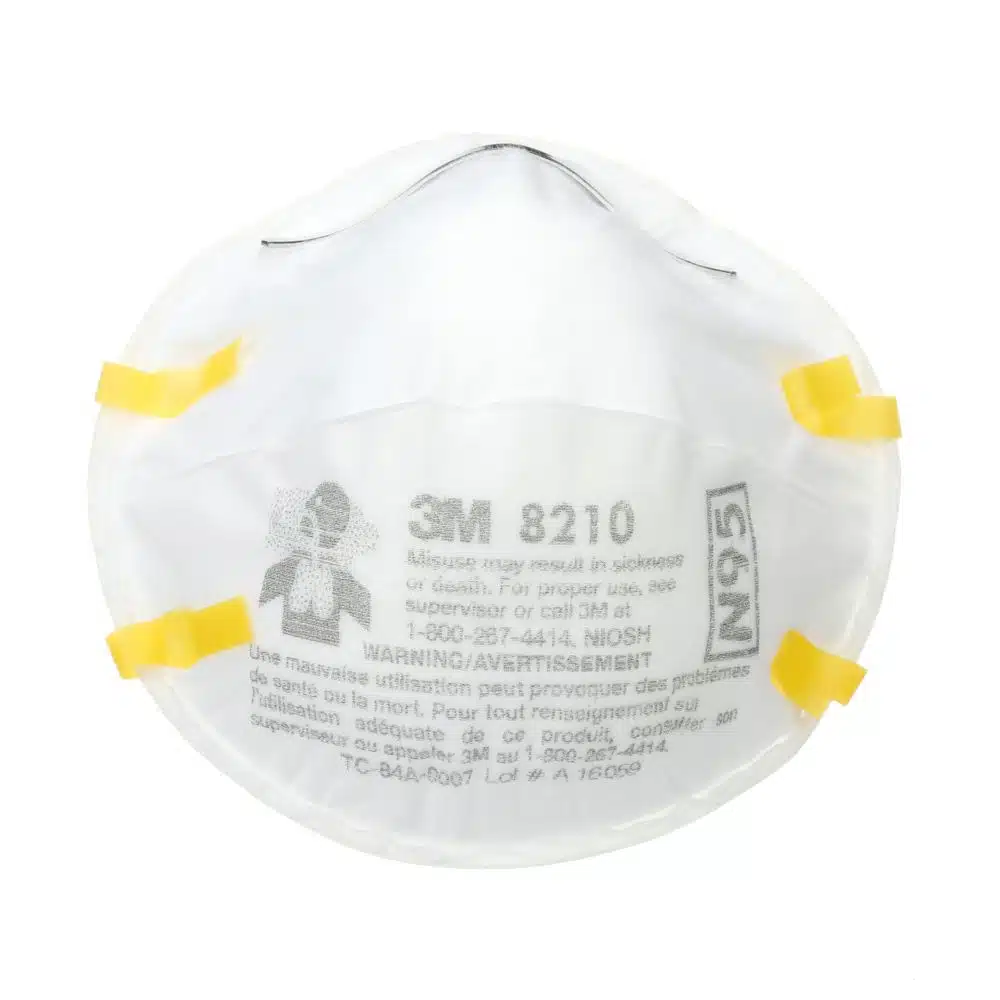
Most were females, just about a vast majority were slenderer than your average construction worker, and all didn’t have a weather conditioned face as most trades do. So, in the case of wearing a N95 mask or others of the same structure, was going to feel very uncomfortable in the least. Not to mention those who had a half face respirator.
Training them not to play with the mask during a task was essential. Don’t break the seal, was the narrative steadily conveyed. Putting out fires sparked by social media and news anchors, politicians and others publicly commenting and giving statements of miss information was increasing the time each appointment. So, addressing these concerns in the body of the instruction was paramount.
NO, it is not a 2-year time period between fit tests. Fit tests must be conducted annually (1 year). Or one might need to refit test their respirator if the facial structure changes due to a significant fluctuation in weight or if one sustains facial damage. If a person gets a new mask that’s exactly the same size, make and model as the old one then they do not need a re-test. But if any of those 3 changes with a new mask then they’ll also be required to re-test the fit to their face.
At one point it was said publicly in medical/ dental groups that due to shortages of N95 respirators, an L3 (level 3) surgical mask could be worn. OMG, NO IT CAN NOT. An L3 and N95 do have the same filtration qualifications. However, an N95 cloth respirator is structured to protect the person wearing it from the outside environment. Whereas the L3 Surgical mask is structured to protect everybody else from the one who’s wearing that. Complete opposite ends of the spectrum.
One of the biggest fears facing particularly the younger females was the pictures floating around social media. A number of images of medical workers showing huge bruises and deep markings on their faces claiming it was the result of long periods of donning respirators. These young ladies were so afraid they were going to end up looking like that. Reassuring them this would never be the case took some doing.
In 30 years of related experience involving the wearing of any PPE on a person’s face, never have I seen what these pictures were displaying. I said the only way that kind of damage could be caused by what they were wearing is if they had synched up the straps so tight the PPE would have been squashing down onto their faces. In no way should your protector ever hurt you. And that goes for all things in life.
I then went on to say, what you do want to see on your face is a red ring where your mask was seated. That would be the pressure ring. If a person doesn’t have one on their face after 30 minutes of wearing a respirator, then it isn’t tight enough and they most likely have gaps around the edges. Obviously, the ones in these pictures were not correctly instructed. As well it is doubtful, they underwent a correct Respirator Fit Test with the proper instructions
As of Dec. 2020, over 3000 essential services professionals have had their protection insured, minimizing their risks a little more while at work. It was my complete honor to have been the one chosen in the protection of their lives and well being.
FreeBird Safety Services
Reasons for a Respirator Fit Test Fail

Pingback: Uneducated Facebook Policy For 1 Of My Services